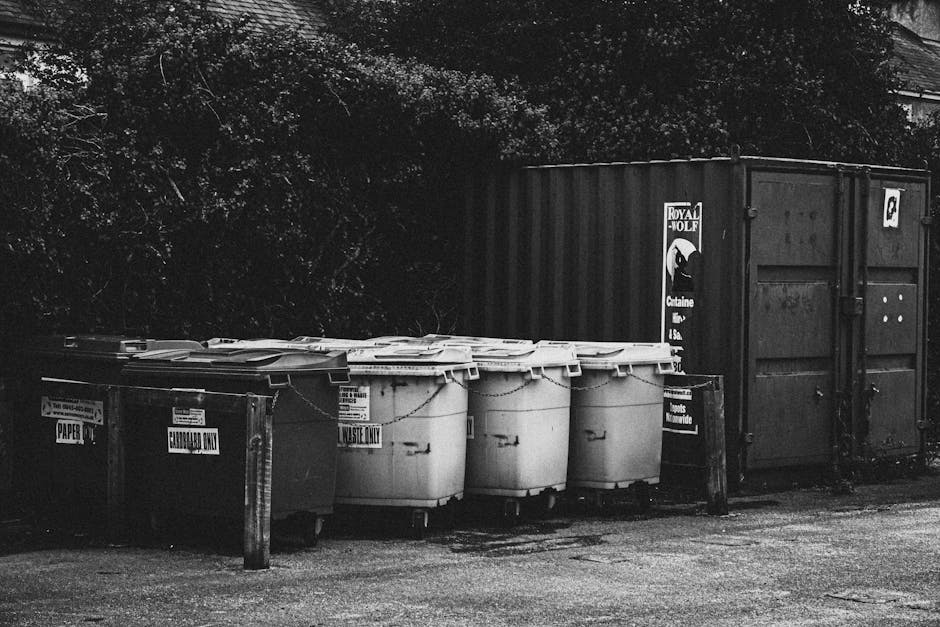
Waste Disposal Rules in Colindale: Avoiding Fines
Posted on 04/07/2026
If you live, work, or are moving in Colindale, waste can become one of those small jobs that turns into a big headache fast. A sofa left by the kerb, a box of mixed rubbish in the wrong bin, or a last-minute clear-out that skips the proper process can all lead to unnecessary trouble. This guide on Waste Disposal Rules in Colindale: Avoiding Fines explains what usually goes wrong, how to handle rubbish the right way, and how to keep your move, declutter, or clearance tidy, legal, and stress-free.
To be fair, most people are not trying to do the wrong thing. They are just rushed. The key is knowing the difference between household waste, bulky items, recycling, and controlled disposal. Once that is clear, the whole thing gets much easier.

Why Waste Disposal Rules in Colindale: Avoiding Fines Matters
Waste disposal rules are not just about keeping the street looking decent, although that helps too. They are about public health, safe access, pest control, recycling quality, and making sure waste ends up where it should. In a busy part of north London like Colindale, where flats, shared entrances, communal bins, and frequent move-outs are common, one poor decision can affect a whole building.
Fines are only part of the risk. There is also the awkwardness of having to clear something up again, the time lost, and the possibility of being reported by neighbours or building management. Anyone who has ever seen a mattress left beside a communal bin store knows the mood that creates. Not great.
For movers, landlords, tenants, students, and small businesses, the practical lesson is simple: disposal needs a plan. If you are already juggling boxes, lift timings, parking, or a tight move-out window, waste can easily become the thing that slips through the cracks. That is exactly where problems start.
A thoughtful disposal plan also protects your budget. Even a modest mistake can cost more than doing it properly in the first place. That is why many people combine decluttering with a proper clearance plan, or use a service that handles removal in one go. If you are preparing for a larger move, you may also find these decluttering techniques useful before the waste even leaves the property.
How Waste Disposal Rules in Colindale: Avoiding Fines Works
The basic idea is straightforward: sort waste correctly, present it in the right way, and use the right disposal route for the item. In real life, though, there are layers. Food waste, cardboard, textiles, electricals, furniture, green waste, and builder-type leftovers all tend to be treated differently. The trick is not to treat "rubbish" as one single category. It is not.
In Colindale, the local setup usually means residents need to understand how their building, collection arrangement, and local council guidance fit together. For example, what works for a single bag of domestic waste may not work for a broken wardrobe, a fridge freezer, or a pile of packing materials after moving day. Mixing them together is a classic mistake.
If you are moving house or clearing out a flat, another issue is timing. Waste left out too early may be considered fly-tipping or obstruction. Waste left out too late may block access, annoy neighbours, or miss a collection. I have seen people in a hurry do a "just leave it by the wall tonight" job and then spend the next morning trying to explain it. It rarely ends well.
There is also the question of who is responsible. In a tenancy, a shared building, or an office move, responsibility may sit with the occupier, the landlord, the managing agent, or the business owner depending on the situation. That is why it helps to agree the plan before clearance day, not after.
If your waste is bulky, mixed, or awkward, a specialist collection route can save time and help reduce the chance of a penalty. For readers dealing with larger items, our guide to bulky waste pickup in Colindale explains the practical side in more detail.
Key Benefits and Practical Advantages
Following disposal rules properly is not just about avoiding a fine. There are several very real upsides.
- Cleaner handovers: Whether you are moving out, renovating, or closing an office, a tidy disposal process helps with final inspections.
- Less stress: You are not left wondering whether the bin crew will take it, whether neighbours will complain, or whether something will be rejected.
- Better recycling outcomes: Sorting material properly means more of it can go to the right stream.
- Safer access routes: Hallways, pavements, and shared entrances stay clear, which matters a lot in flat blocks.
- Lower risk of repeat costs: Doing it once, properly, is usually cheaper than paying to fix a bad disposal job later.
There is also a practical rhythm to it. Once you know what goes where, you stop wasting time on guesswork. And guesswork is where people burn an afternoon, or three. One bag here, one box there, and suddenly the van is full of items that should have been separated earlier.
For households with large furniture, it can also make sense to pair disposal with removal planning. If a sofa, bed, or table needs taking away, then a combined approach can be far more efficient than treating each item separately. In some cases, a wider removal service is the tidy middle ground between doing it yourself and overpaying for scattered pickups.
Who This Is For and When It Makes Sense
This topic matters to a lot more people than you might expect. It is not only for landlords or large property managers. It is relevant if you are:
- moving out of a flat or house in Colindale
- decluttering before a sale or tenancy end
- clearing student accommodation
- disposing of old furniture, white goods, or mixed household waste
- managing an office tidy-up or light commercial clearance
- helping a relative downsize
- dealing with post-renovation mess
If you are moving from a flat with narrow stairs or limited lift access, waste disposal becomes even more important because large items cannot just be dumped wherever is easiest. That can be especially true in older blocks and shared buildings. If your move itself is already complicated, a bit of planning around waste can save a lot of hassle. For nearby move planning, moving stairs and narrow halls in Colindale flats is worth a look.
It also makes sense when you are on a deadline. Same-day move, end-of-tenancy handover, last-minute clear-out? That is exactly when people are tempted to take shortcuts. Which is usually when fines happen. Funny how that works, really.
Students, in particular, often underestimate how much waste a room generates in one go. Boxes, broken hangers, small appliances, kitchen bits, paper, packaging, and old bedding can pile up quickly. If that sounds familiar, our student removals Colindale page may be useful alongside your clearance planning.
Step-by-Step Guidance
Here is a clear, practical way to handle disposal without drama.
1. Sort everything before you move it
Start by separating waste into simple groups: general rubbish, recycling, reusable items, bulky furniture, electricals, and anything that needs special handling. Do not mix clean cardboard with food waste, and do not bundle unknown items together just because it is faster.
2. Identify what can be reused or donated
Some items may still be usable. A table with a few scuffs is not the same as a broken drawer unit. If something has a second life, keep it out of the waste stream where possible. That is good for the environment and, in many cases, better for your budget too.
3. Check building rules and access constraints
Shared blocks often have their own rules for bin stores, loading bays, and item placement. If you are in a Colindale flat, this matters. Do not assume the pavement outside is a dumping ground just because it is convenient for ten minutes.
4. Book the right disposal method
Use the route that matches the item type and volume. A few bags may fit your normal collection plan. A mattress, sofa, wardrobe, or fridge almost certainly needs a different solution. If you are planning a broader clearance, it may be worth looking at recycling and sustainability so you can choose the cleaner route from the start.
5. Keep documents and proof where needed
For business waste, landlord handovers, or arranged collections, keep any confirmation you have. It is a small thing, but if a question comes up later, having a record is better than a vague memory and a shrug.
6. Do a final sweep
Before you hand back keys or close the door, walk through the property once more. Check cupboards, behind doors, under beds, in balconies, and in the utility area. It is surprising how often one lonely bag gets left behind. Always one bag.
Expert Tips for Better Results
In practice, the best waste disposal jobs are the boring ones. They are calm, sorted, and done in the right order. Here are some tips that save time and reduce risk.
- Use clear labels on bags and boxes. If a helper is involved, they should not have to guess.
- Keep sharp or awkward items separate. Broken glass, metal, and splintered wood should not be loose in mixed bags.
- Flatten cardboard early. It saves a surprising amount of space.
- Plan for appliance handling. Fridges and freezers are not "just another box". They need safe handling and the right route. If you are storing one temporarily, this freezer storage guide may help.
- Keep heavy lifting sensible. A bad back is not worth saving ten minutes. For moving technique, see kinetic lifting advice and guidance on lifting heavy safely.
- Do not leave disposal to the last hour. The final hour before a key handover is a terrible time to discover three extra bags in a cupboard.
One local reality worth mentioning: many Colindale moves happen in tight time windows, often around work, children, or building access restrictions. So a little over-preparation is not overkill. It is common sense, with a nicer hat on.
If you are moving furniture as part of the process, it can help to align the waste plan with the removal plan. That is where a service like furniture removals in Colindale can fit neatly into the picture.

Common Mistakes to Avoid
Most fines and complaints come from the same handful of errors. Avoid these and you are already ahead.
- Dumping mixed waste beside communal bins. If it does not belong there, do not leave it there.
- Assuming bulky items will be collected automatically. They usually will not be.
- Putting recycling in dirty bags. Contamination can ruin the load.
- Leaving waste in hallways or entrances. That can block access and create a safety issue.
- Using the wrong vehicle or loading method. Stuff falling off a van is not only messy, it can be dangerous.
- Forgetting about timing. A collection plan that misses your move-out day is almost as bad as no plan at all.
Another subtle mistake is overfilling bags. It seems efficient in the moment, but bags split, handles tear, and suddenly you have loose rubbish on the floor. Not ideal, especially if you are carrying it through a shared entrance. We have all seen that awkward wobble when somebody has clearly regretted the decision halfway down the stairwell.
If your disposal issue is tied to a move quote, it is worth comparing what is actually included. Sometimes waste removal, dismantling, and carrying costs are bundled. Sometimes they are not. For a clearer approach, see how to compare move quotes like for like.
Tools, Resources and Recommendations
You do not need a complicated toolkit, but a few simple items make the job much easier.
- Heavy-duty refuse sacks for general household waste
- Cardboard boxes or tubs for sorting reusable items and recycling
- Marker pen and labels so nothing gets mixed up
- Gloves for sharp, dirty, or splintered items
- Furniture blankets or wraps if items are being moved before disposal
- Basic cleaning supplies for the final sweep after clearance
For bigger projects, think in terms of service types rather than just "getting rid of stuff". A one-off removal vehicle may be enough for a simple load, while a more coordinated approach may suit a flat clearance, a house move, or an office empty-out. You can compare options through services overview, or read more about removal services in Colindale if you want the broader picture.
If you are in a hurry, same-day help may be relevant. That can be useful when a tenancy deadline, a building inspection, or a sudden clearance request leaves very little room to breathe. If that sounds familiar, same-day removals Colindale is a sensible option to review.
And if the job is substantial, it is perfectly reasonable to get a clearer cost picture before making decisions. A good starting point is pricing and quotes, especially if you are trying to avoid last-minute surprises.
Law, Compliance, Standards, and Best Practice
Waste disposal in the UK is governed by a mix of legal duties, local rules, and widely accepted good practice. In plain English, that means you are expected to dispose of waste responsibly, place it correctly, and avoid creating problems for others. Fly-tipping, illegal dumping, unsafe storage, and contamination of waste streams can all trigger action.
The safest approach is not to treat compliance as a technicality. It is part of doing the job properly. If you are a tenant, it protects your deposit and your reputation with the landlord or managing agent. If you are a homeowner, it protects your street and your time. If you run a business, it helps you avoid disruption and awkward conversations with neighbours or building staff.
Best practice usually includes:
- separating waste by material type
- using approved collection routes for bulky or special items
- keeping access routes clear
- avoiding unlabelled mixed piles
- removing waste promptly rather than storing it indefinitely
There is also a strong safety angle here. Heavy waste, awkward furniture, and sharp edges create avoidable injury risks. The same mindset that supports good moving safety should apply to waste handling too. For more on practical safety thinking, you may find insurance and safety and the health and safety policy pages reassuring when you are planning a larger clearance.
One useful rule of thumb: if you are unsure whether an item is standard household rubbish, bulky waste, or something needing special care, pause and check before lifting it out. That pause saves more trouble than it costs.
Options, Methods, or Comparison Table
Different waste types need different methods. Here is a practical comparison to help you choose the right route.
| Method | Best for | Advantages | Watch-outs |
|---|---|---|---|
| Regular household bins | Small day-to-day waste | Simple, routine, low effort | Not suitable for bulky or mixed items |
| Recycling sorting | Clean cardboard, plastics, paper, some metals | Supports lower waste and better reuse | Contamination can lead to rejection |
| Bulky item collection | Sofas, beds, wardrobes, mattresses | Handles large items properly | Needs correct booking and timing |
| Dedicated removal service | Moves, clearances, mixed loads | Efficient, less hassle, fewer trips | Choose a provider that understands access and handling |
| Storage before disposal | Items you are not ready to throw away yet | Buys time for sorting decisions | Can delay action if you do not set a deadline |
In practical terms, many Colindale residents end up using a mix of these methods. A student moving out may use bins plus one bulky pickup. A family downsizing might use recycling, storage, and a removal service. An office could need a clean sweep with careful separation of office waste and furniture.
If you are handling a mixed property move, the broader removal journey can be just as important as the disposal piece. You may want to look at house removals in Colindale or flat removals in Colindale if the waste issue sits inside a bigger moving plan.
Case Study or Real-World Example
Picture a typical Colindale flat move on a Friday afternoon. There is a double bed frame, a chipped bedside cabinet, four bags of mixed clutter, old kitchen items, and a pile of packing cardboard that has already started bending into the shape of the room. The tenant wants the place empty by evening. The natural temptation is to put everything by the bin store and hope for the best.
That is exactly where things can go sideways.
A better approach would be to split the items first: reusable bits aside, cardboard flattened, general waste bagged, and bulky furniture separated for removal. The bed frame might be handled through a furniture removal route, the cardboard recycled, and the small household waste kept in the proper collection stream. Once sorted, the flat is faster to clear, the hallway stays usable, and the final handover feels calm instead of frantic.
That kind of setup also makes life easier for everyone else in the building. Less obstruction, less mess, fewer complaints. And honestly, that is half the battle in shared blocks. A tidy, well-ordered exit tends to leave a much better final impression than a rushed one.
If the move is especially tight, combining disposal with a move package can be a smart call. It can also help if access is difficult, as with stair-heavy buildings or narrow internal routes. In those cases, the logistics matter as much as the rubbish itself.
Practical Checklist
Use this checklist before waste leaves your property.
- Have I separated general waste, recycling, bulky items, and anything fragile or sharp?
- Have I checked what my building allows in bin stores, hallways, or shared areas?
- Have I confirmed the correct disposal route for mattresses, furniture, or appliances?
- Have I flattened cardboard and removed loose packaging?
- Have I kept access routes clear for neighbours and staff?
- Have I avoided leaving anything outside too early?
- Have I planned the timing so it matches my handover or move-out date?
- Have I made a final sweep of cupboards, corners, and storage spaces?
- Do I know who is responsible if this is a tenancy, office, or shared building?
- Have I chosen the safest lifting method for anything heavy?
If you can tick most of those off, you are in good shape. If several are still blank, pause and reset before moving anything else.
Conclusion
Waste disposal rules in Colindale are not difficult once you break them into sensible steps. Sort properly, use the right route for bulky items, keep shared spaces clear, and do not leave anything to chance at the end of a move. That is the simple version, and it works.
The real benefit is peace of mind. You are not just avoiding fines; you are making your move cleaner, safer, and much less chaotic. And in a place where access, timing, and shared building space can all get tight quickly, that matters more than people realise.
Take a little time now, and you will save yourself a lot of bother later. Truth be told, that is usually the best move of all.
Get a free quote today and see how much you can save.